An 8-year update. I almost killed all of the LEDBrick units due to a dinoflagellate-induced light outage. Upon firing up the lights three days later, I had forgotten that the powered-down boards produced no heat, and condensation combined with 8 years of salt spray had worked its way into everything. Firing up, I got a nice bout of zap zap flicker flicker nothing. Oh no!
When I first built them, I didn’t do any real control for salt spray, air, or condensation. The PCBs sit right in the air flow, and I had never designed the case to keep them out. Going forward: remember to conformally coat all the boards to avoid this very issue.
One of the lights was fine — its logic stayed powered through the outage thanks to an earlier salt-spray mishap that exploded the 24V→12V regulator sometime at the start of the pandemic, which I’d bodge-fixed with a 12V wall-wart. How bad does the salt spray get? Well, bad…
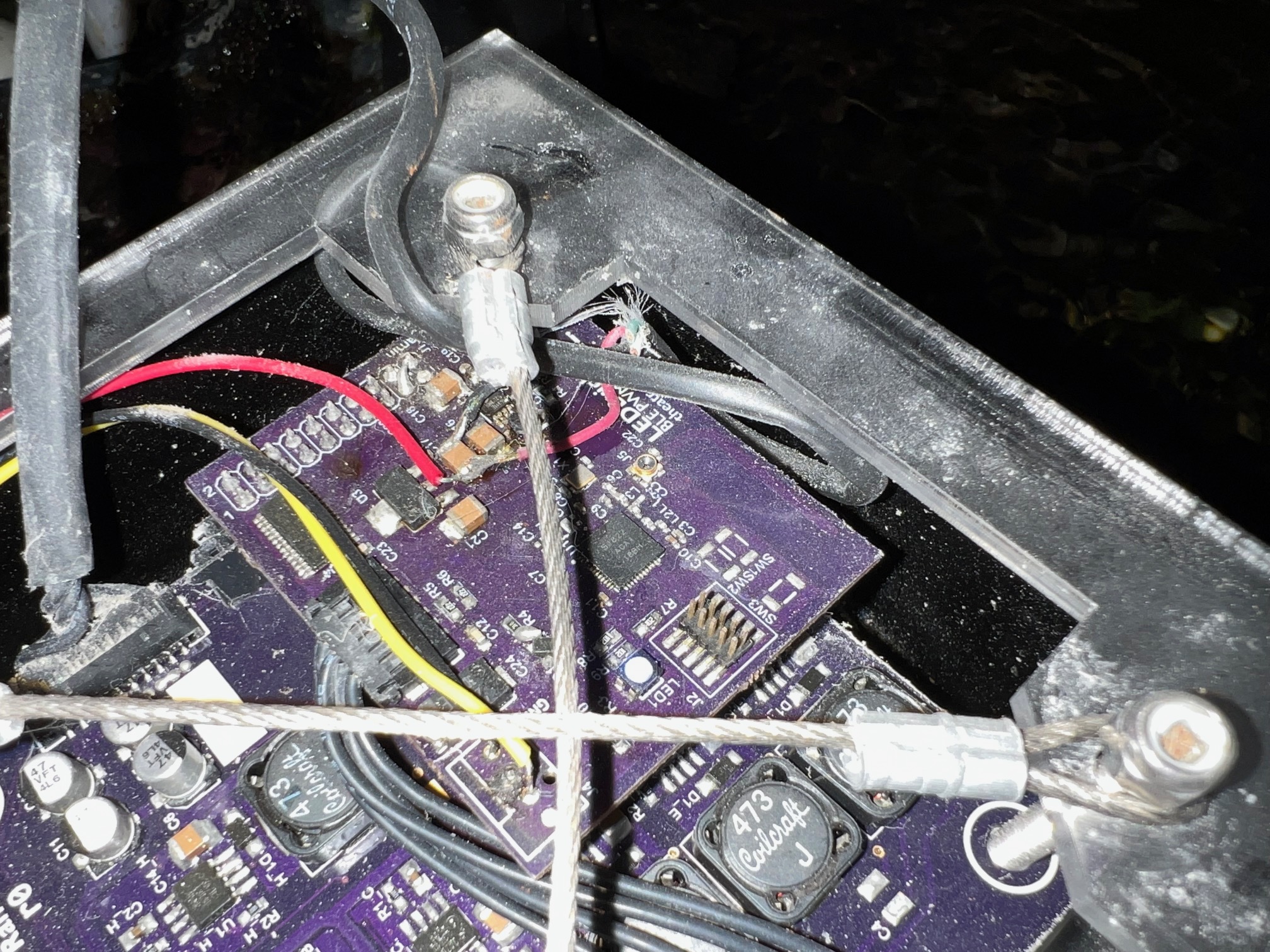
Yikes. Amazed anything works at all. And this is the working unit, since it never had water condense on it. The other units didn’t look as bad but were non-functional from salt shorts across the boards — though amazingly little actual corrosion:
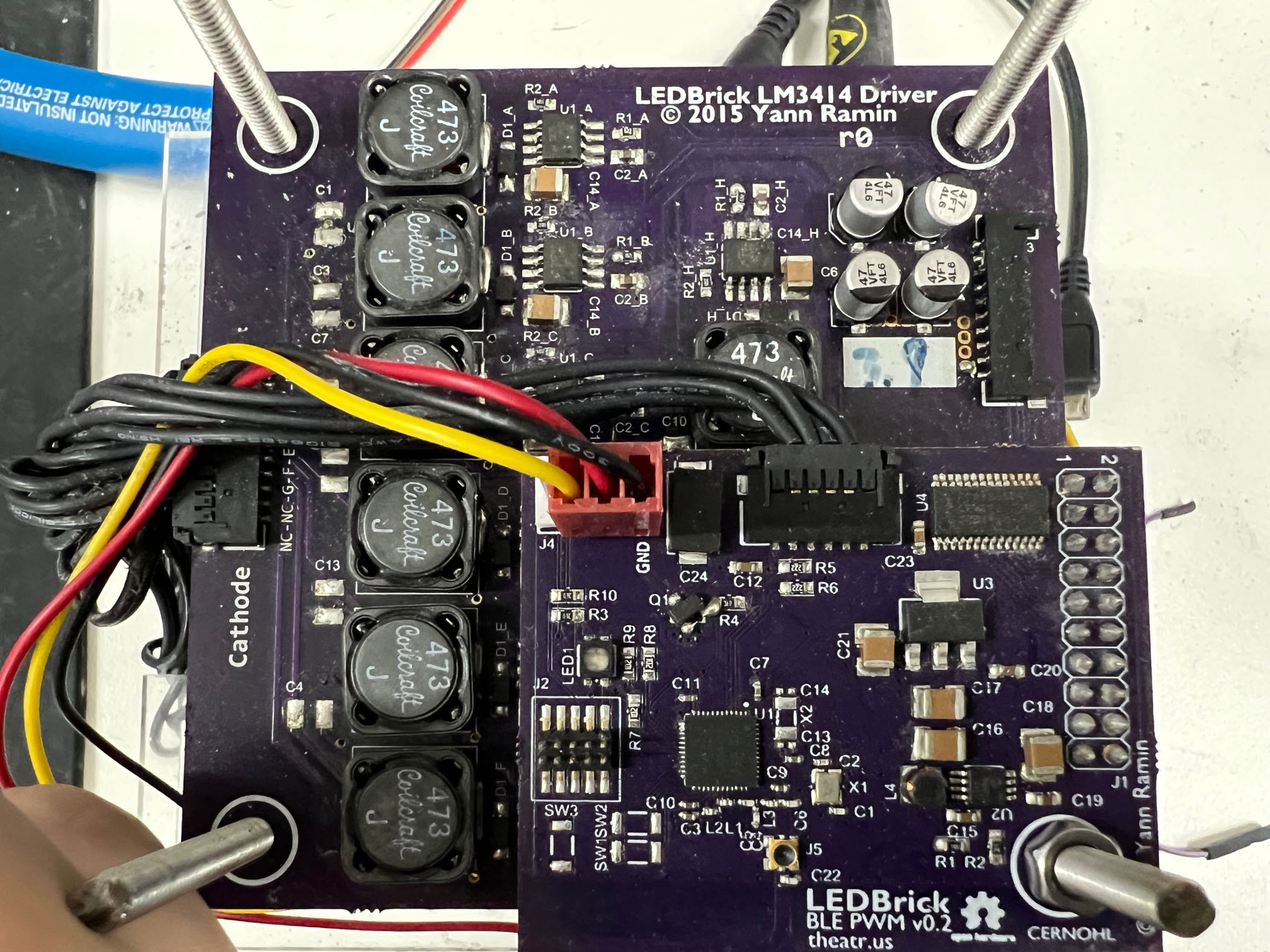
I managed to save two of the three units with nothing but multiple passes in the ultrasonic cleaner — alternating Branson EC and plain RODI water, about five washes with fresh solution each pass so salt never concentrates, followed by drying at about 60°C. And… success. They look almost new:
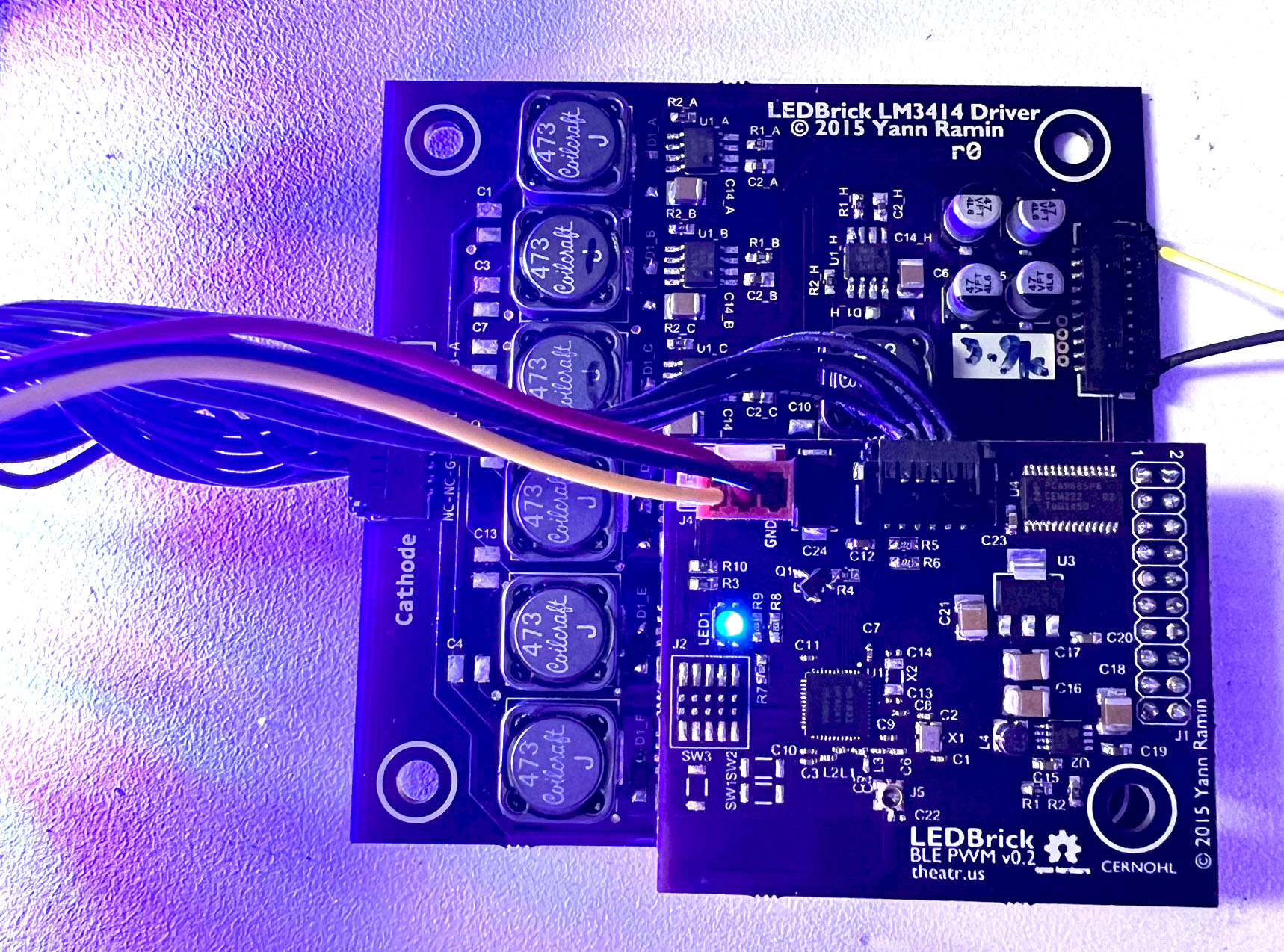
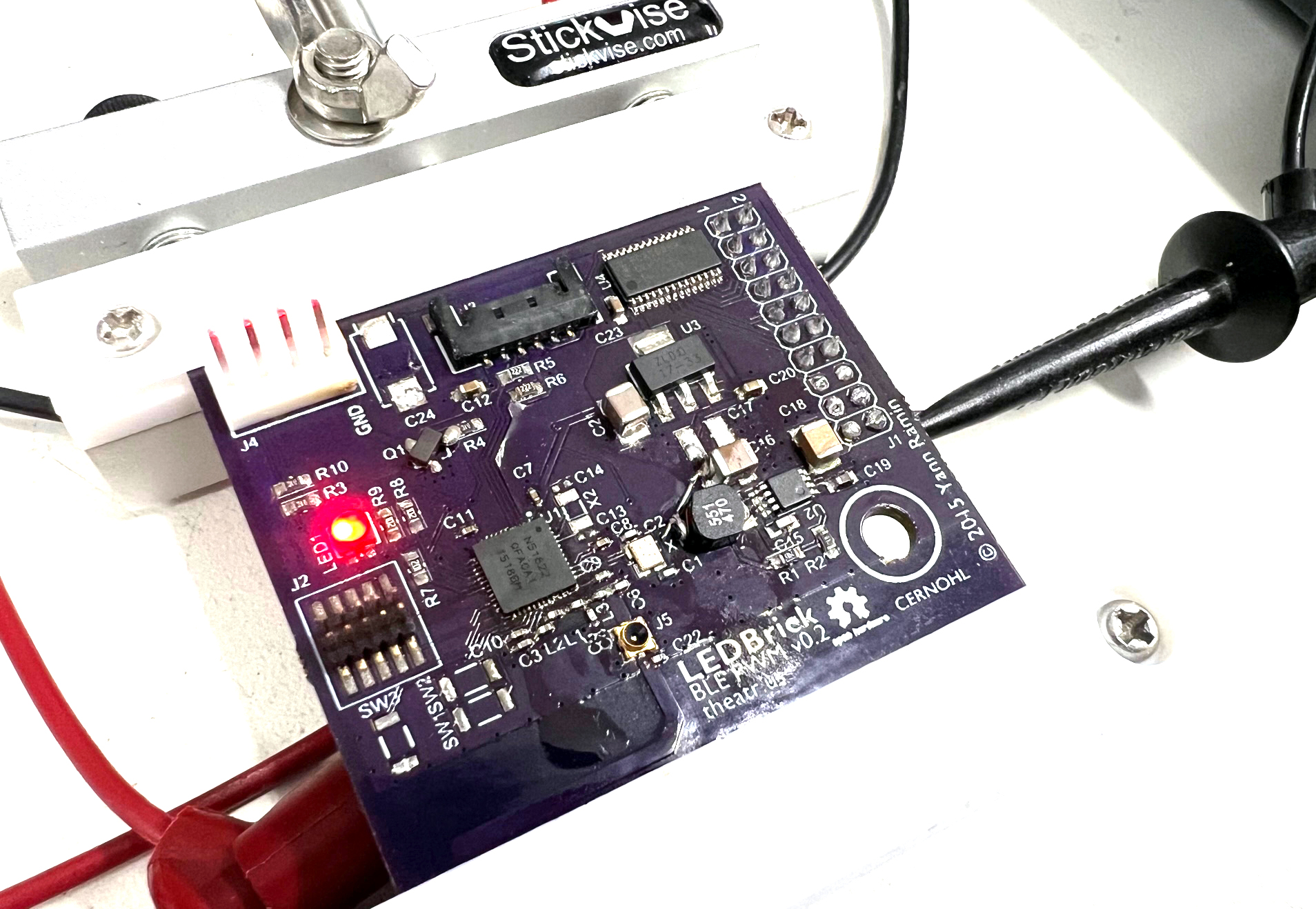
Unit #3 had a hard failure — the 12V regulator wouldn’t come up. The board was salvageable; the culprits were a shorted ceramic capacitor and an inductor that had shorted internally (so, basically a wire). A quick repair with similar-but-not-exact components later:
Next: another cleaning pass, a coat of conformal coating before reinstalling — and then actually think about replacing them. I have some ideas, for the next post…
Originally posted to the LEDBrick thread on Reef2Reef.